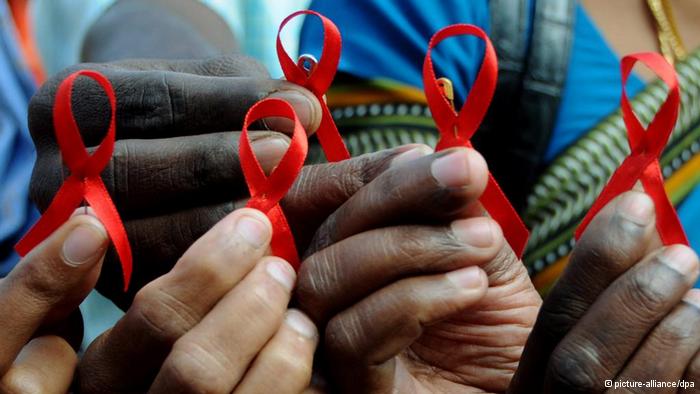
The HIV pandemic in Uganda still wears a female face. Despite decades of awareness campaigns and medical advances, adolescent girls and young women remain disproportionately affected.
According to the 2025 national HIV estimates report, of the 1.5 million Ugandans living with HIV, about 930,000 are girls and women, compared to 570,000 boys and men.
The same report shows that of the 14,000 new infections among young people aged 15-24 last year, nearly 70% were adolescent girls and young women. By contrast, only 17% of new infections were among boys and uncircumcised men engaging in unsafe sexual practices.
Across Africa, including Uganda, 3,100 girls and young women are infected every week, UNAIDS executive director Winnie Byanyima said. Among those aged 15-24, three out of four new infections occur in girls. Narrowing down further to aged 15- 19, six out of seven new infections are among girls.
Who Is Infecting The Girls?
Girls and women are infected mostly by men in the working category who have disposable income and influence, Jotham Mubangizi, a UNAIDS strategic adviser, said. “Economic vulnerabilities put girls and women at increased risk. Many are not working, and men exploit this by offering money for sex, “he said.
Some girls are also infected after being raped by trusted individuals in space that are assumed to be safe.
Cobweb Of Vulnerabilities
The HIV problem among adolescent girls and women is rooted in a “cobweb” of social, economic and biological factors. Milly katana, who heads the Movement of Women Living with HIV in Uganda, said gender power dynamics leave women unable to negotiate for safe sex.
“The negotiation capacity of women for safe sex does not exist, given the economic disadvantage they suffer. If a boda-boda rider promises a woman sh. 10,000, they are likely not to use a condom,” she said.
Byanyima said the situation is worsened by limited access to sexuality education and unsafe environments.
Girls in lower social strata, those with little education, limited work opportunities and no land, are particularly at risk of acquiring HIV. Dr Vincent Bagambe of Uganda AIDs Commission said this makes them more vulnerable than their male counterparts. Poverty drives many into transactional sex. Some girls are pushed into sex work simply because they lack basic needs. This often leads to pregnancy, school dropout and early marriage all which increase vulnerability.
In Kyotera district, HIV prevalence stands at 12.6%, the highest in the country. District health officer Dr Edward Muwanga attributed the high prevalence rate to commercial sex work.
“When girls are offered a job with a salary of shs. 200,000, they opt for sex work because it gives immediate pay,” he said.
In Gulu city, health officer Dr Daniel Okello said there are over 5,000 registered sex workers, most of them teenage girls and single mothers. Many dropped out of school due to pregnancy and lack of social support, leaving sex work as their only option.
Katana noted that while the ministry of health had developed a policy for rolling out the dapivirine vaginal ring. The monthly device releases antiretroviral medication to reduce HIV risks, but it is not yet widely available.
Similarly, the injectable and oral pre-exposure prophylaxis, an injection and pill that prevent HIV infection, remain inaccessible for many women.
What Is Being Done?
Mubangizi called for affirmative action through government programs, such as Emyooga and the parish development model, to equip women with skills and start-up capital.
Katana agreed, saying: “Economic empowerment has a multiplier effect. It makes women independent and gives them the ability to negotiate for safe sex.”
In Gulu, the DREAMS programme (Determined Resilient, Empowered, AIDs free Mentored and Safe), backed by PEPFAR, has provided out- of- school girls with tailoring, hairdressing and mechanics.
Non- governmental organizations are also helping sex workers transition into safer livelihoods.
Male Involment
Interventions on HIV transmission should not target girls alone, men must also be sensitized to protect themselves and their partners, katana said. She warned that small, isolated interventions will not have a big impact.
The Rev. Can Gideon Byamugisha, who is the first priest to declare his HIV- positive status, said men should be taught and encouraged to love and respect girls and women, rather than seeing them as sex objects.
“Be compassionate and in solidarity with the other person. Pursue equity and justice,” according to Micah 6:8.
The HIV Burden
The 2025 National HIV Estimates Report indicates that Uganda’s HIV prevalence has declined from 5.1% (December 2023) to 4.9% (December 2024). Last year, the country recorded 37,000 new HIV infections. Breaking it down, four people were infected with HIV every hour. The figure rises to 7 individuals every week, an unacceptably high number.
In terms of deaths, last year, 20,000 Ugandans succumbed to AIDs – related conditions registered, of deaths registered, 8700 happened among men aged 15 and above, as 8300 among women in the same age bracket lost their lives.
One thousand eight hundred deaths occurred between 15band 24. A total of 1,100 deaths occurred in the cohort of 10 to 19 years. Another