Uganda Approves the Lenacapavir Injectable HIV Prevention Drug
Kampala, January 2026
Uganda’s National Drug Authority (NDA) has approved Lenacapavir, a long‑acting injectable medicine for preventive use, as part of the country’s comprehensive HIV prevention strategy. This decision represents a major milestone in expanding prevention options for individuals at high risk of HIV infection and accelerates national efforts to achieve an AIDS‑free generation by 2030.
Lenacapavir is a long‑acting pre‑exposure prophylaxis (PrEP) option administered via injection every six months, offering an alternative to daily oral PrEP pills traditionally used to prevent HIV. Clinical evidence has shown that long‑acting formulations like Lenacapavir are highly effective at reducing the risk of acquiring HIV by maintaining adequate protective drug levels over extended periods, and have the potential to significantly improve adherence among users who find daily tablets challenging.
Unlike daily PrEP, which requires strict adherence to be effective, Lenacapavir’s twice‑yearly dosing can reduce missed doses, lessen stigma associated with daily medication, and make HIV prevention more user‑friendly and accessible, especially in settings where frequent clinic visits are impractical. The World Health Organization (WHO) has also recommended Lenacapavir as an additional HIV prevention choice as part of a combination prevention approach, recognising its transformative potential in global HIV responses.
The National Drug Authorities’ (NDA) approval means that Lenacapavir will now be distributed, through the PEPFA program and administered in public health facilities throughout Uganda as part of PrEP programmes. According to the NDA statement, this injectable drug is a great step towards ending AIDs by 2030.
Health officials have described the approval as a “game‑changer” for prevention, especially among populations with historically high incidence rates including adolescent girls and young women, sex workers, and key populations facing barriers to daily pill adherence. As Uganda remains among the 10 countries with the highest HIV burdens globally, this additional PrEP option could help reverse stagnating prevention trends.
The approval of Lenacapavir in Uganda aligns with recent advances in global HIV prevention policy. In 2025, the WHO formally recommended long‑acting injectable Lenacapavir as an additional HIV prevention option at the International AIDS Society Conference. The recommendation emphasises that expanding prevention choices creates opportunities for people to select methods that best fit their lives, thereby increasing overall uptake and impact.
With regulatory approval secured, the priority for public health stakeholders in Uganda now shifts to implementation: ensuring that Lenacapavir is included in national HIV prevention guidelines, that healthcare providers are trained on its administration, that supply chains are established, and that communities are educated about the new option. Uganda’s AIDS Commission and other national partners will play integral roles in coordinating these efforts within the broader national HIV strategy.
Experts note that while Lenacapavir’s approval is a landmark achievement, its ultimate impact will depend on access and coverage. That includes strategies to make the injectable widely available, affordable, and acceptable to those at greatest risk. Community mobilisation, targeted outreach, and addressing structural barriers such as stigma and discrimination will be necessary to translate this scientific breakthrough into measurable reductions in new infections.
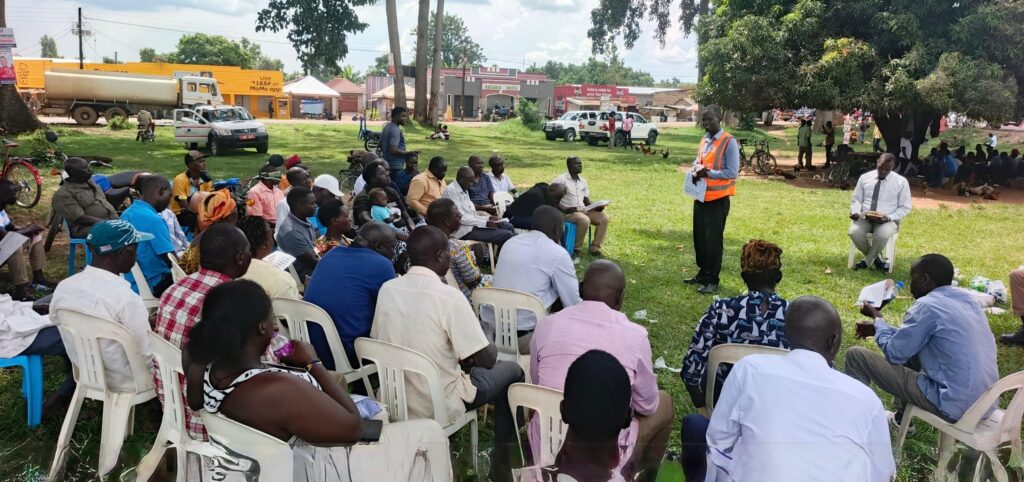
UNCI will continue to champion raising awareness, educating people in areas we operate encouraging the uptake of Lenacapavir. Alongside Training of healthcare workers on integration of injectable PrEP into existing HIV programs. Lenacapavir is not only a scientific breakthrough, its success depends on community engagement, awareness campaigns, and reducing structural barriers such as stigma and gender inequities.